




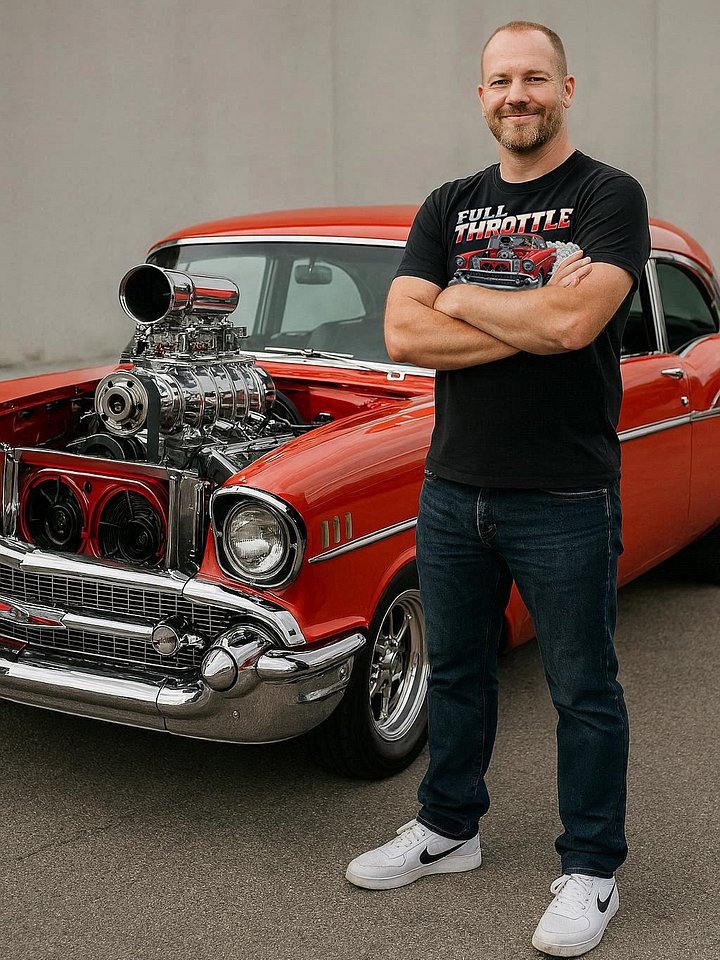
FastLane Automotive Showcase
Click the buttons below to visit the gallery
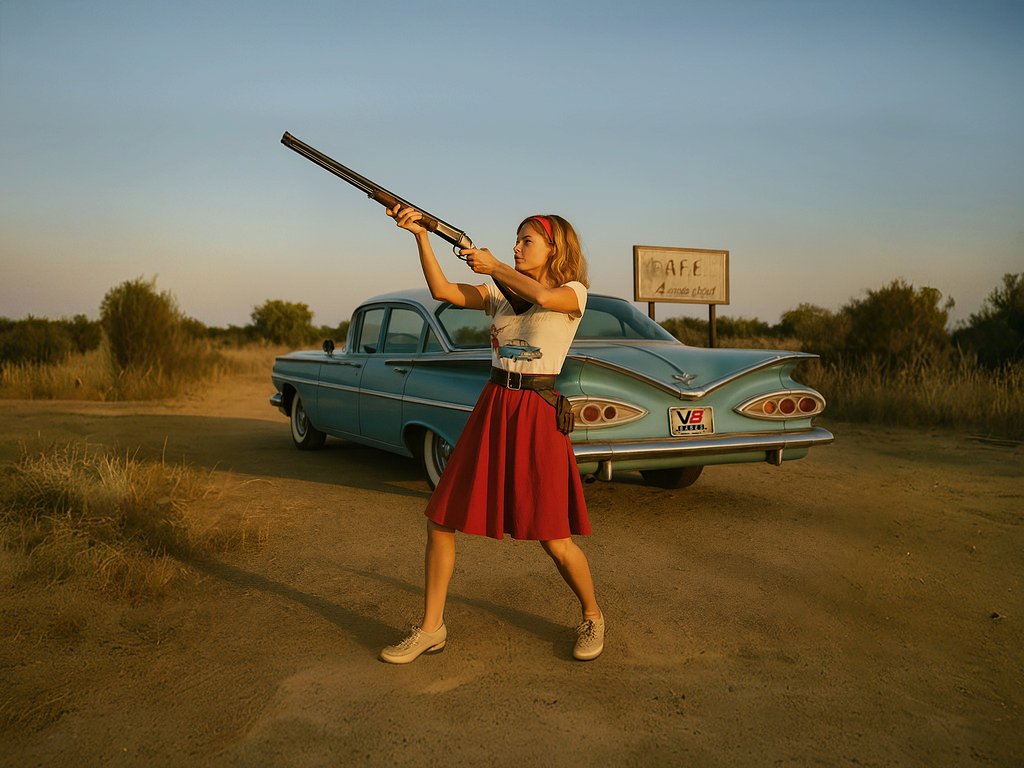
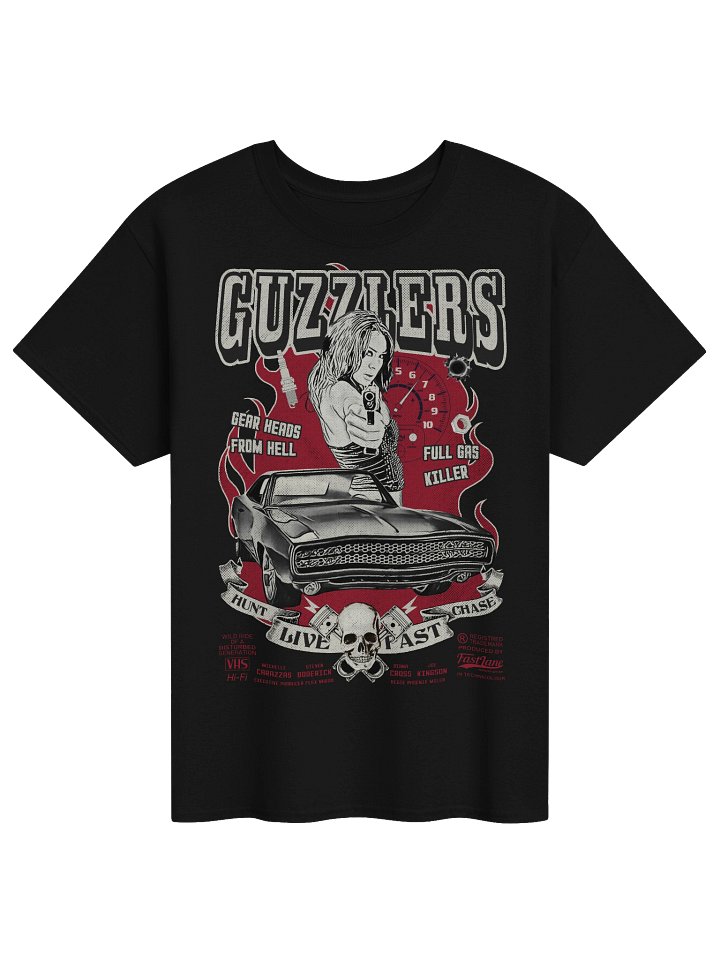
GUN LADY
The "Gun Lady" design was inspired by 1950s advertising aesthetics, intentionally subverting the traditional image of women to reflect a new sense of empowerment and female self-determination. By pairing a classic V8 cruiser with a shotgun-toting pin-up, the motif blends the era's obsession with "Guns and Cars" into a bold statement of independence. The slogan "just look, don't touch" serves as a playful yet firm reminder of this shift, transforming the woman from a passive decorative element into a self-reliant protector of her own space.
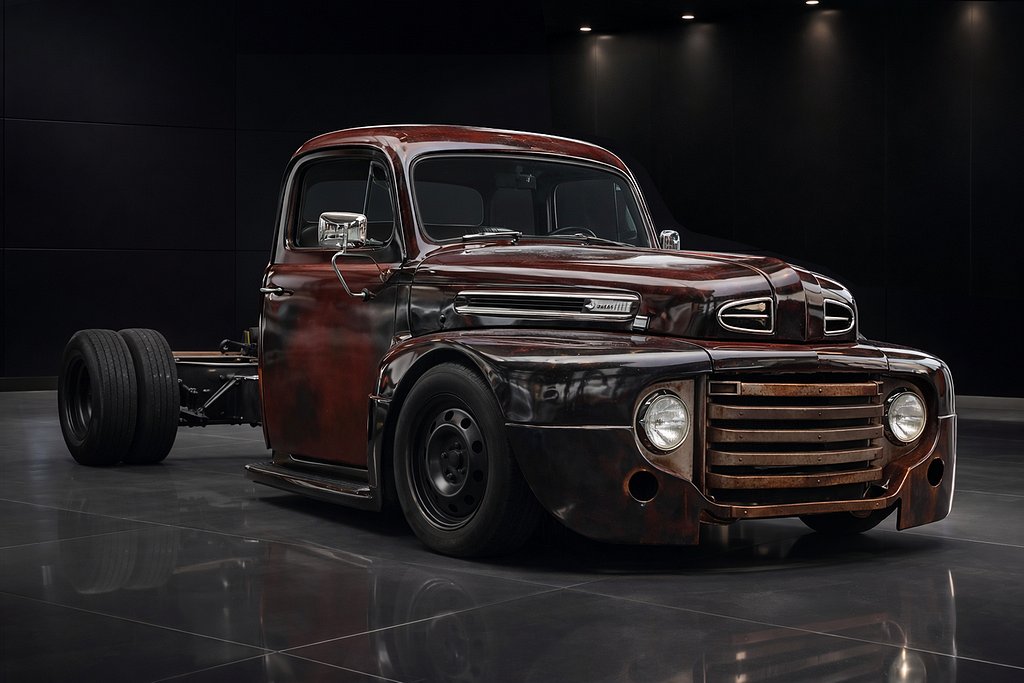
RAT TRUCK
This 1948 Ford F6 rat-rod tow truck features a patina-heavy exterior and a significantly forward-positioned front axle that creates a striking, head-turning stance. It is powered by a supercharged Chevrolet 350-cubic-inch roller motor with a 6/71 blower, delivering power through a three-speed Turbo 400 transmission. The build is finished with unique vintage details, including a World War II compass as a navigation tool and a fuel tank cleverly hidden beneath a hinged gas can in the truck bed.

BLOWN
This 1969 Chevrolet Chevelle SS, famously known as the "Flat Rat," screams pure muscle the moment that 460CID big block fires into life. With a massive 6-71 Weiand blower sitting on top, this beast churns out a lethal 687 hp and 624 ft-lbs of torque on just 8 psi of boost and 93 octane. It’s a rowdy, high-octane cold start that perfectly captures the raw, intimidating spirit of a classic street machine built to dominate.

TOP FUEL DRAGSTER
Top Fuel dragsters emerged from the wild early days of American drag racing in the late 1940s, when fearless mechanics and drivers pushed homemade machines to their limits on abandoned airstrips. In the 1950s and 1960s, the introduction of supercharged engines and explosive nitromethane fuel transformed these cars into brutal, flame-spitting monsters built purely for acceleration. Over the decades, relentless engineering turned them into the fastest accelerating machines on Earth. Today, a Top Fuel dragster can blast from 0 to over 330 mph (530 km/h) in under four seconds, covering the track in a deafening storm of fire, smoke, and raw power.
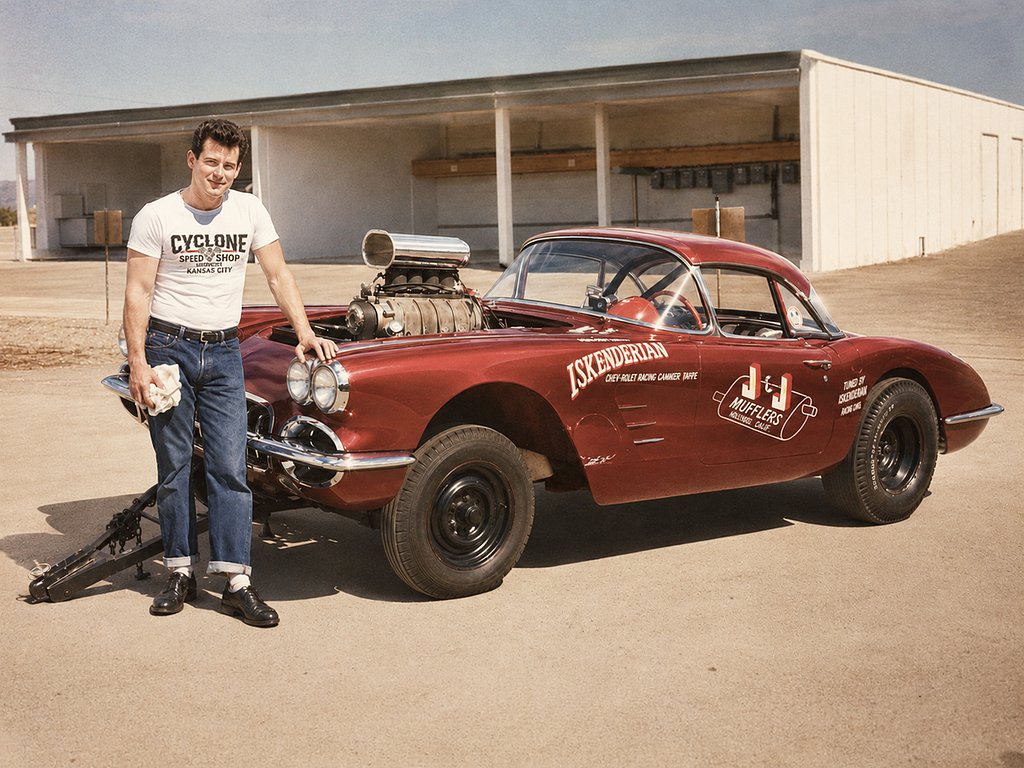
CYCLONE SPEED SHOP
Cyclone Speed Shop was a major name in US automotive tuning history, based in Kansas City (Midwest), contrasting with Evans which operated in Southern California. Founded by Phil "Cyclone" Reilly in the 1940s/1950s, the shop specialized in Ford Flathead V8 engines and became famous for their technologically advanced intake manifolds featuring aggressive designs that maximized airflow. During the 1950s, vehicles equipped with Cyclone parts dominated drag racing throughout the Midwest, with the "Cyclone" name perfectly capturing the storm-like speed these components delivered.
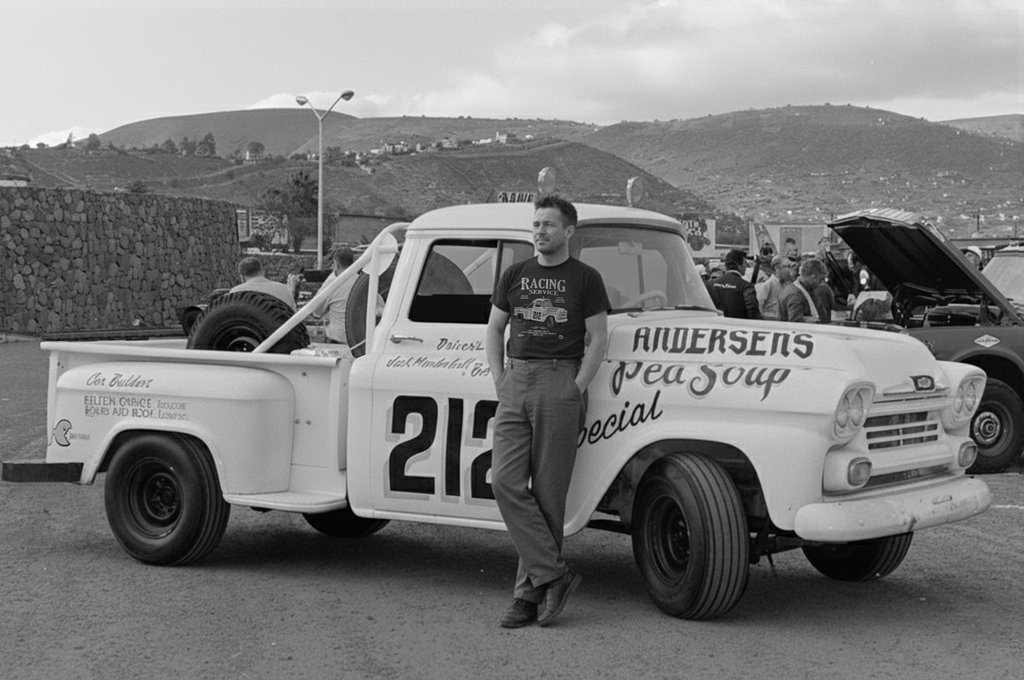
RACING SERVICE
Back in the day, the 1959 Chevrolet Apache was the unsung hero of the track, acting as the ultimate heavy-duty backbone for racing teams hauling tools, spare parts, and high-octane fuel. These rugged Task Force trucks featured the iconic "Fleetside" styling and were often customized with service beds and beefed-up suspensions to keep the legendary dragsters and stock cars running at peak performance. With their bulletproof small-block V8s and classic Americana grit, these service rigs were the first ones at the strip and the last ones to leave, ensuring every racing legend had a fighting chance at the finish line.
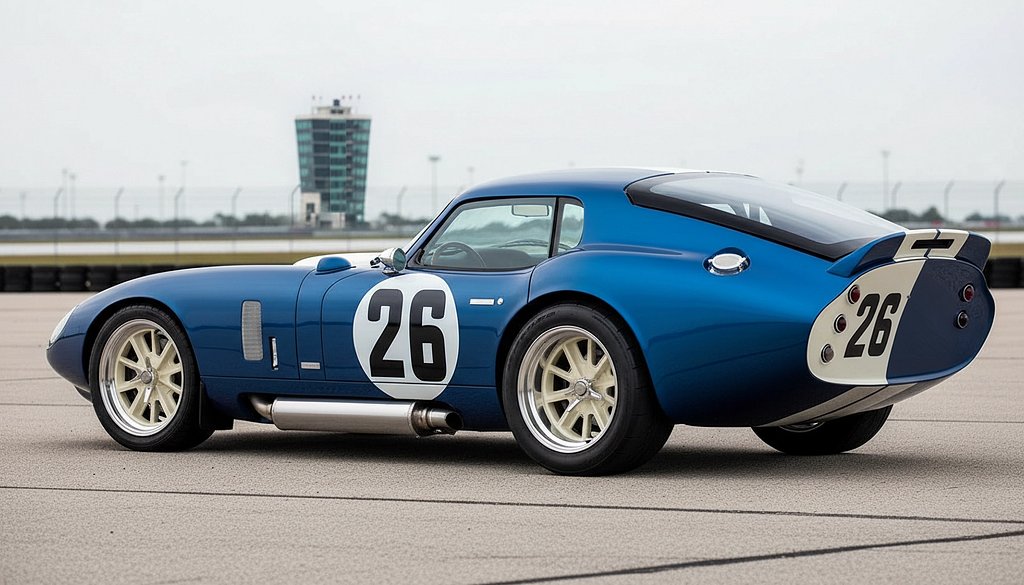
MOTORSPORT ICON
The 1965 Shelby Daytona Coupe number 26 is a masterpiece of American engineering that famously conquered the GT class at Le Mans. Designed by Peter Brock, this aerodynamic powerhouse reached incredible speeds on the Mulsanne Straight to end Ferrari's dominance. Today, it is celebrated as one of the most significant and valuable racing cars in automotive history.
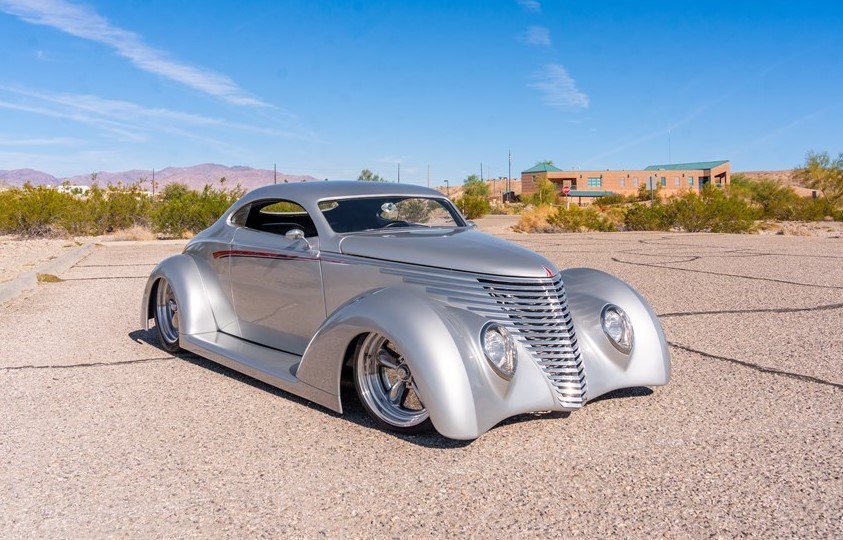
CUSTOM ROD
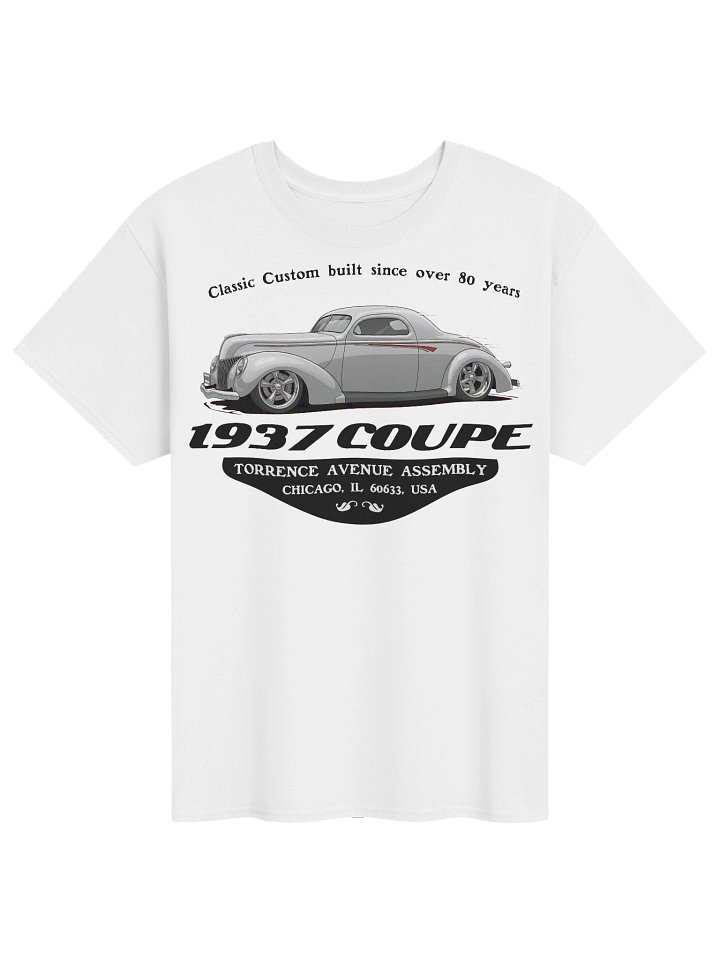
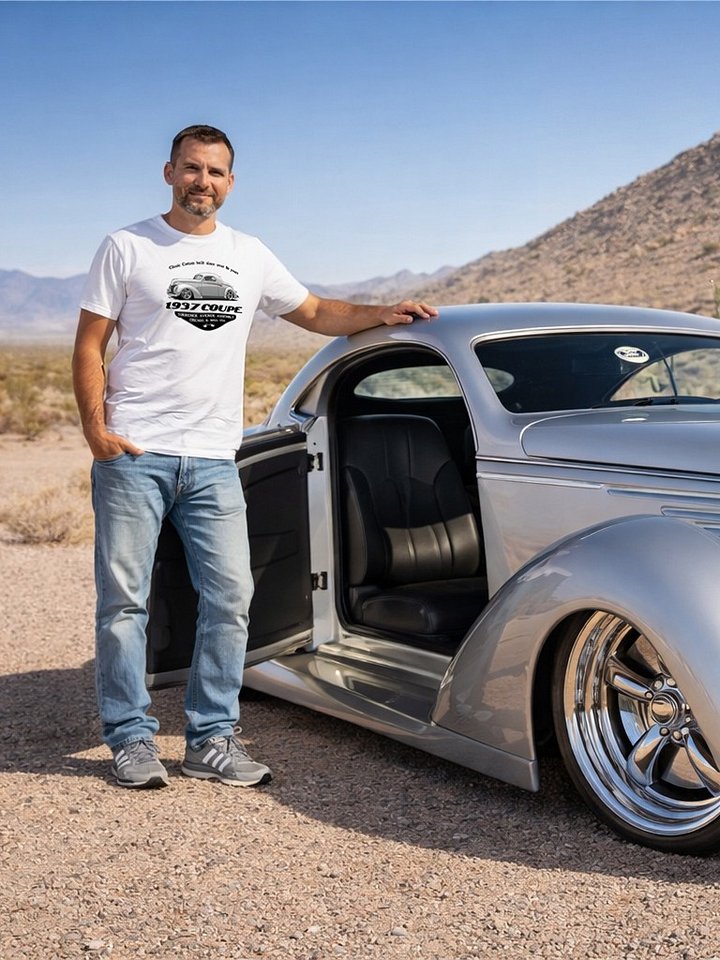
This 1937 Ford Coupe is a magazine-featured street rod sporting a chopped fiberglass OZE body finished in stunning Quick Silver Metallic with deep maroon accents. Under the hood, a Corvette-sourced LS1 V8 works alongside a 4-speed automatic transmission and a Ford 9-inch rear end to deliver modern performance wrapped in a classic silhouette. The low-slung stance is perfected by an adjustable air ride system and staggered American Racing wheels, while the interior keeps it high-end with black leather ISS bucket seats and full air conditioning.
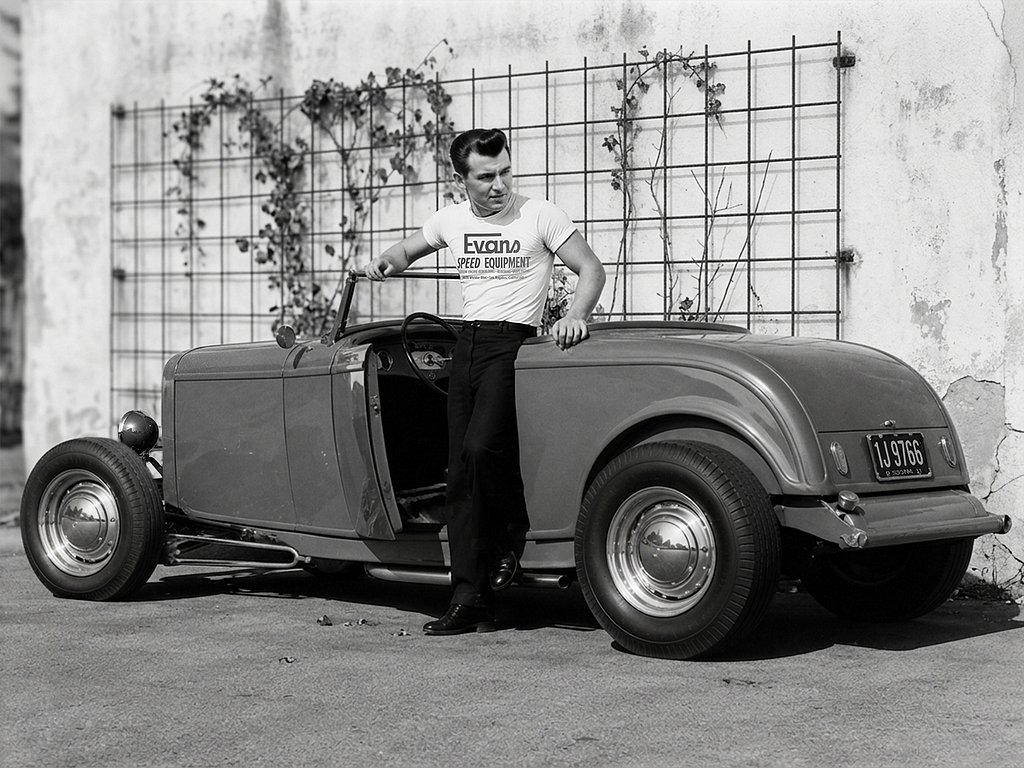
EVANS SPEED EQUIPMENT
Evans Speed Equipment was founded by Earl "Pappy" Evans, a pioneer in modifying Ford Flathead V8 engines from the 1930s–40s, and operated shops in Whittier and South El Monte near Los Angeles. The company became famous for its polished aluminum cylinder heads and intake manifolds that significantly boosted performance while maintaining an iconic aesthetic. After Evans' death, his wife sold the business, and despite Gene Ohly's attempt to revive the brand using original molds between 2008–2012, the shop permanently closed in 2012 with no new original Evans parts produced since.
About
FastLane
Original American Wear - FastLane Wear – Street Style for Tuners & Gearheads. FastLane Wear is more than just clothing – it’s a lifestyle brand made for true car enthusiasts, tuners, racers, and petrolheads. We create premium car-themed t-shirts by car mods, tuning culture, motorsports, drag racing, and classic cars. With over 25 years of professional graphic design experience, we focus on authenticity. Every design features real cars only – no fantasy vehicles, no fake concepts. Our artwork is based on street cars, race cars, drag cars, and track cars that actually run on streets, racetracks, and dragstrips around the world. Want your own car on a shirt? We make it possible! Just contact us on Facebook at facebook.com/wwwFastLaneWearcom, or Instagram fastlane.wear and your vehicle could become part of the FastLane collection. FastLane Wear is manufactured in California, USA, and we ship our motorsport and tuning apparel worldwide at affordable rates. We proudly support the pro street, drag racing, and custom car scene, which is why many racing teams and tuning crews already wear FastLane.